Windshield Damage From Road Construction: Who Is Responsible?

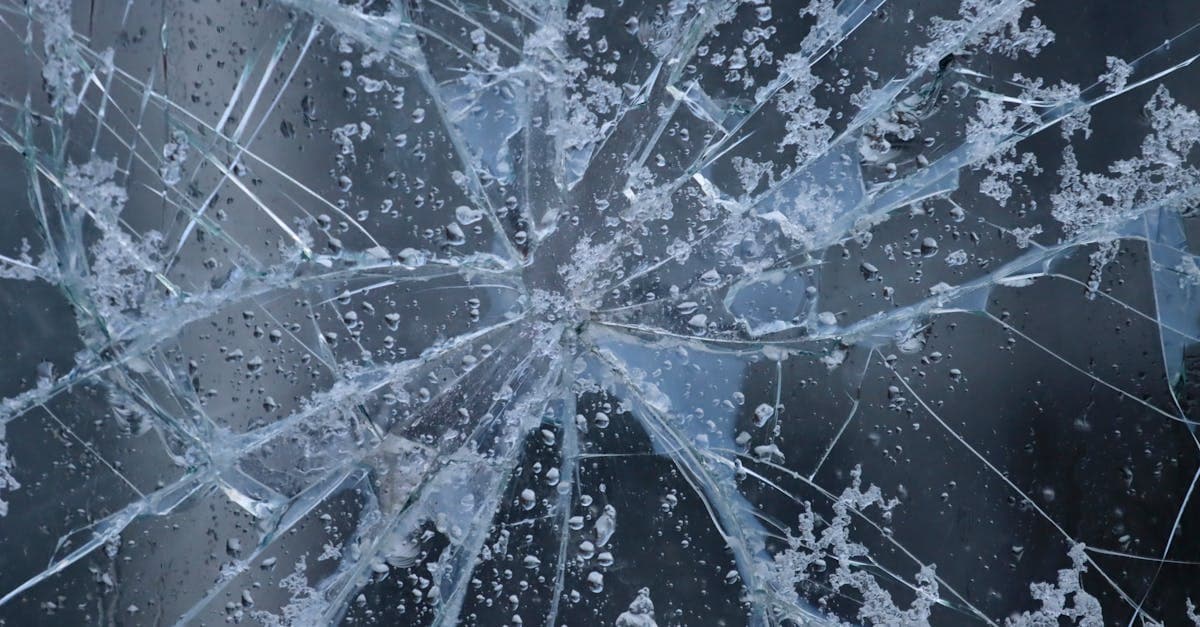
As a consumer, you should know that windshield coverage is one of the most consumer-friendly areas of auto insurance — but only if you understand your rights and your state's specific rules.
Your windshield coverage is the storm-rated pane that deflects hail, ice, and wind-driven debris. It falls under comprehensive insurance and covers damage from road debris, hail, vandalism, falling objects, and other non-collision events. In many states, the coverage is more generous for glass than for other comprehensive claims because legislators recognized that windshield integrity is a public safety issue.
Florida, Kentucky, and South Carolina are among the states that require zero-deductible windshield replacement under comprehensive policies. Other states require insurers to waive deductibles for windshield repairs but not replacements. And even in states without glass-specific laws, many insurers offer optional full glass endorsements that eliminate the deductible.
The insurance industry benefits when you do not know these rules. A driver who pays cash for a repair that insurance would have covered for free is a driver who saves the insurer money. Do not be that driver. Know your coverage, know your state's rules, and use the benefits you are paying for.
Hail Damage to Windshields
The claim is worth questioning. Hailstorms are one of the most common causes of windshield damage, and they can affect thousands of vehicles in a single event. Understanding how hail glass claims work helps you navigate the process during what is often a chaotic claims period.
How hail damages windshields. Hail can crack, chip, or shatter windshield glass depending on the size and velocity of the hailstones. Small hail may create multiple chip impacts across the windshield surface. Large hail can crack the outer layer of laminated glass or, in extreme cases, penetrate both layers. The pattern of damage is typically multiple impact points distributed across the windshield surface.
Claim filing after hailstorms. Hailstorms generate massive claim volumes simultaneously, which can create backlogs for both insurers and glass shops. File your claim as soon as possible after the storm to get in the queue early. Document the hail damage to your windshield and any other vehicle damage with photographs before driving the vehicle.
Windshield damage as part of a larger claim. If hail damaged your windshield along with body panels, hood, and roof, the windshield replacement is part of a single comprehensive claim with one deductible. You do not pay a separate deductible for the glass. This means in a multi-panel hail claim, the windshield replacement is effectively free since the deductible is consumed by the body damage portion.
Repair vs replacement after hail. Multiple hail impacts across the windshield typically require replacement rather than repair. While a single chip from hail might be repairable, a pattern of chips covering the windshield surface compromises the glass beyond what repair can address.
Temporary protection. If your windshield is cracked but not shattered after hail, cover the crack with clear tape to prevent moisture infiltration while you wait for your claim to be processed. Do not drive with a severely compromised windshield — have the vehicle towed if the damage affects structural integrity or visibility.
Windshield Repair vs Replacement: What Insurance Covers
But does this hold up under scrutiny? The distinction between windshield repair and replacement is weatherproofing the most vulnerable surface on your vehicle — it affects your deductible, your cost, and even the long-term integrity of your windshield.
When repair is possible. Windshield repair uses injectable resin to fill chips and short cracks, restoring structural integrity and preventing further spreading. Repair is generally possible when the chip is smaller than a quarter, the crack is shorter than six inches, the damage is not in the driver's direct line of sight, and the damage does not extend to the edge of the windshield.
When replacement is necessary. Cracks longer than six inches, damage in the driver's critical viewing area, multiple cracks from a single impact point, and damage that penetrates both layers of laminated glass all require full replacement. Edge cracks that compromise the windshield's seal also require replacement regardless of length.
Insurance preference for repair. Insurers strongly prefer repair over replacement because repair costs $50 to $150 compared to $300 to $1,500 for replacement. To incentivize repair, many insurers waive the deductible entirely for repairs even when the deductible applies to replacement. This creates a clear financial advantage for addressing damage early while repair is still an option.
Repair quality and durability. Modern resin injection repair restores approximately 95 percent of the windshield's original structural strength. The repair is permanent and prevents the damage from spreading. However, the repaired area will still be slightly visible — the cosmetic result is not perfect. For most drivers, this minor visual imperfection is far preferable to the cost and hassle of full replacement.
Acting quickly matters. Temperature changes, vibration from driving, and moisture infiltration can all cause a repairable chip to spread into an unrepairable crack. Filing your claim and getting the repair done within days of the damage gives you the best chance of avoiding a full replacement.
Which Insurance Coverage Pays for Windshield Damage
But does this hold up under scrutiny? Windshield damage falls under comprehensive auto insurance, which is the storm-rated pane that deflects hail, ice, and wind-driven debris. Comprehensive covers damage to your vehicle from non-collision events including road debris, hail, falling objects, vandalism, and animal strikes — all of which can damage or destroy a windshield.
Comprehensive coverage is required. If you carry only liability insurance, your policy does not cover your own vehicle's windshield. Liability pays for damage you cause to other people and their property. To have windshield coverage, you must carry comprehensive, which is optional unless required by a lender or lease agreement.
Collision does not apply. Even though a rock striking your windshield might feel like a collision, the insurance industry classifies road debris damage as a comprehensive peril — not a collision. This classification works in your favor because comprehensive claims generally have less rate impact than collision claims.
Uninsured motorist coverage. If another driver's vehicle directly kicked up the debris that damaged your windshield, uninsured motorist property damage coverage might apply if the other driver is uninsured and identifiable. However, in practice, most windshield damage from road debris is filed under comprehensive because identifying the responsible vehicle is rarely possible.
The liability-only gap. Drivers who carry only the minimum required liability insurance have no windshield coverage at all. For these drivers, every windshield repair or replacement is an out-of-pocket expense. This gap is one of the strongest arguments for adding comprehensive coverage, especially given its relatively low cost.
Florida Windshield Coverage Law
The claim is worth questioning. Florida has one of the most favorable windshield coverage laws in the country, and every Florida driver with comprehensive insurance should understand exactly how it works.
The zero-deductible rule. Florida statute requires that if you carry comprehensive coverage, your insurer must waive your deductible for windshield replacement. This means whether your deductible is $250, $500, or $1,000, you pay nothing out of pocket when your windshield needs to be replaced due to a covered event.
What qualifies. The zero-deductible benefit applies to windshield replacement caused by any comprehensive peril — road debris, hail, vandalism, falling objects, or any other covered event. The damage must require replacement, not just repair, although most insurers also waive the deductible for repairs as a standard practice.
Why Florida enacted this law. Florida's roads see heavy traffic, construction activity, and weather events that create high windshield damage rates. The legislature determined that windshield integrity is a public safety issue and that deductibles were discouraging drivers from replacing damaged windshields — creating hazardous driving conditions.
Fraud concerns. Florida's zero-deductible windshield law has unfortunately attracted fraudulent activity. Some unscrupulous glass shops solicit drivers for unnecessary replacements or perform substandard work because the insurer pays the full cost. To protect yourself, choose reputable repair facilities, verify that replacement is actually necessary rather than repair, and be cautious of unsolicited offers for free windshield replacement.
Impact on premiums. While the deductible waiver saves you money at claim time, the high volume of windshield claims in Florida contributes to higher comprehensive premiums statewide. The trade-off is that Florida drivers pay slightly more in premium but significantly less when they actually need windshield service.
Windshield Claims and Subrogation
But does this hold up under scrutiny? When your windshield damage is caused by an identifiable third party, your insurer may pursue subrogation — the process of recovering claim costs from the responsible party. Understanding subrogation can potentially get your deductible refunded.
How subrogation works. After paying your windshield claim, your insurer investigates whether a third party is responsible. If a construction truck's unsecured load scattered gravel that damaged your windshield and you can identify the truck, your insurer may pursue the trucking company's liability insurance for reimbursement.
Getting your deductible back. If subrogation succeeds, the insurer recovers the full claim amount including your deductible. Your deductible is then refunded to you. This process can take weeks to months, but it puts money back in your pocket for damage that was not your fault.
When subrogation applies. Subrogation is possible when the responsible party is identifiable and their negligence caused the damage. A landscaping company that sends a rock into traffic, a construction site that fails to contain debris, or a vehicle with an unsecured load that drops objects on the road are all potential subrogation targets.
Documenting for subrogation. If you can identify the vehicle or business responsible for your windshield damage, document everything. Note the license plate, company name, vehicle description, and exact location and time. Dash cam footage is invaluable for subrogation claims. Report the incident to police if possible, as a police report strengthens the subrogation case.
Limitations. For most windshield damage, the responsible debris source is impossible to identify — a random rock kicked up by an anonymous vehicle on the highway. In these cases, subrogation is not possible and your comprehensive coverage simply pays the claim. Subrogation is the exception, not the rule, for glass claims.
Windshield Insurance Fraud: What Drivers Should Know
The claim is worth questioning. Windshield claim fraud is a significant problem in several states, particularly those with zero-deductible glass laws. Understanding how fraud works helps you avoid becoming an unwitting participant and protects your premium from fraud-driven increases.
Common fraud schemes. The most prevalent windshield fraud involves solicitors approaching drivers in parking lots, door-to-door, or through social media offering free windshield replacement. These operations file inflated claims with your insurer, sometimes for replacement that was not needed, using substandard materials, or billing for work never performed.
How fraud affects you. Even if you did not initiate the fraud, a fraudulent claim filed using your policy information goes on your claims record. This can affect your future premiums and your relationship with your insurer. In extreme cases, policyholders have faced coverage cancellation due to claim patterns triggered by fraudulent glass shops.
Red flags to watch for. Be suspicious of unsolicited offers for free windshield replacement, especially if the solicitor minimizes the claims process or offers incentives like gift cards. Legitimate glass shops do not need to solicit business through aggressive door-to-door tactics. If someone asks you to sign documents without explaining them, or encourages you to file a claim for damage you do not have, walk away.
Protecting yourself. Only initiate glass claims for legitimate damage. Choose your own repair facility rather than accepting referrals from unknown solicitors. Verify the glass shop's credentials, reviews, and business history before authorizing work. Never sign blank or partially completed claim forms.
Reporting fraud. If you suspect windshield claim fraud, report it to your insurer's fraud division and your state's insurance fraud bureau. Reporting protects other consumers and helps keep premiums from increasing due to fraudulent claim activity.
OEM vs Aftermarket Windshield Glass
But does this hold up under scrutiny? When your windshield is replaced through an insurance claim, the type of replacement glass matters more than most drivers realize. Understanding the difference between OEM and aftermarket glass helps you advocate for the quality you deserve.
OEM glass defined. Original Equipment Manufacturer glass is produced by the same company that made your vehicle's original windshield, built to the exact specifications of the vehicle manufacturer. OEM glass matches the original in thickness, curvature, tint, and optical clarity. It fits precisely in the frame and integrates correctly with any embedded technology.
Aftermarket glass defined. Aftermarket glass is produced by third-party manufacturers to fit the same vehicle. While aftermarket glass must meet federal safety standards, it may differ from OEM glass in subtle ways — slight variations in thickness, tint shade, optical quality, and edge dimensions. These differences can affect fit, appearance, and compatibility with ADAS systems.
What insurance covers. Many insurers default to aftermarket glass because it costs significantly less — often 30 to 50 percent less than OEM. Some states have laws requiring insurers to inform you when aftermarket glass will be used and giving you the right to request OEM glass, sometimes at an additional cost.
When OEM matters most. For vehicles with ADAS features, OEM glass is strongly recommended because aftermarket glass may not meet the precise optical specifications that cameras and sensors require for accurate calibration. Using aftermarket glass on ADAS-equipped vehicles can create calibration difficulties and potentially compromise safety system performance.
How to request OEM glass. If you prefer OEM glass, tell your insurer and your glass shop before the work begins. Some insurers offer OEM glass endorsements for a small additional premium. In states that require consumer choice, the insurer must comply with your OEM request, though you may need to pay the price difference.
Take Action on Your Windshield Coverage Today
Understanding windshield coverage is only valuable if you use that knowledge. Here is what to do right now.
First, check your declarations page to confirm you carry comprehensive coverage. If you do not, you have zero windshield protection and should consider adding it.
Second, find out whether your state has a zero-deductible glass law. If it does, every windshield claim costs you nothing out of pocket. If it does not, consider adding a full glass endorsement to your policy.
Third, inspect your windshield today. If you have chips or small cracks, file a repair claim immediately. Repair is almost always deductible-free and prevents the damage from spreading into a costly replacement.
Your windshield coverage represents weatherproofing the most vulnerable surface on your vehicle. A few minutes reviewing your glass protection today can save you hundreds or thousands when the inevitable road debris finds your windshield.
Continue reading

How Bundling Discounts Complicate Insurance Quote Comparisons
Bundling home and auto insurance often produces significant discounts, but comparing bundled quotes against individual policies requires careful analysis to determine which approach truly saves more money.
Policy Checkup After Starting a Business: Protecting Your New Venture
Starting a business creates liability exposure, property risks, and coverage needs that personal policies do not address. A policy checkup identifies where business insurance is required.
The History of Assignment of Benefits Abuse in Florida Insurance
Florida became the epicenter of AOB abuse with a surge in litigation that doubled insurance costs. Understanding this history provides lessons for homeowners in every state.