What Flood Insurance Does Not Cover: Key Exclusions to Know

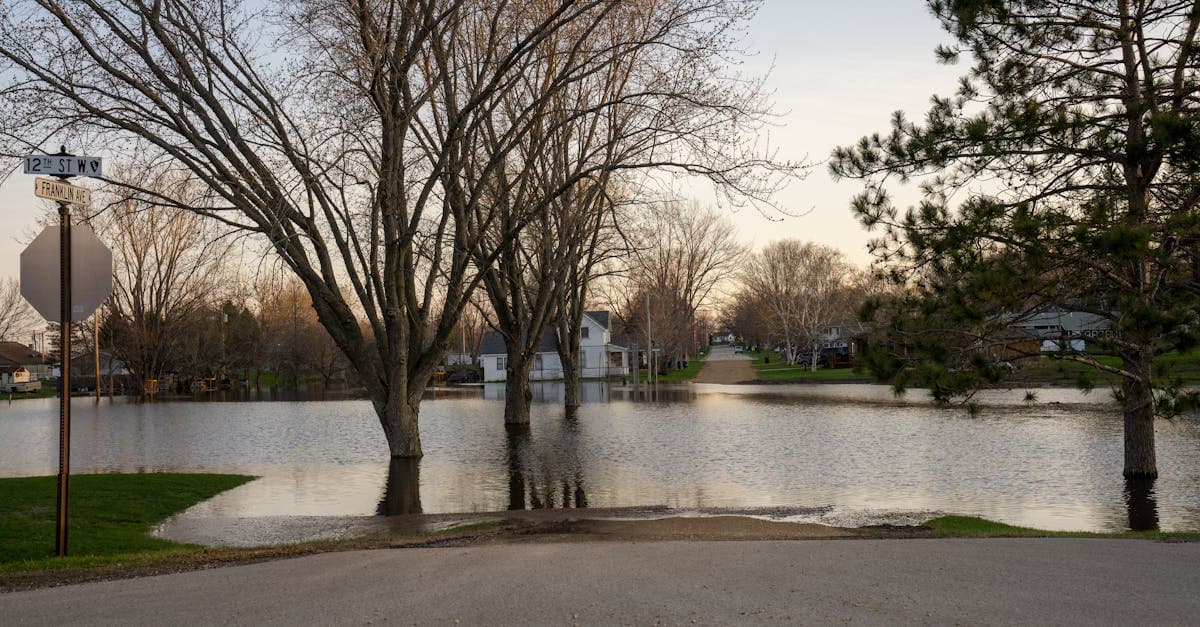
As a consumer, your most important flood insurance decision is whether to purchase coverage at all. Since homeowners insurance excludes flood damage entirely, going without flood insurance means accepting the full financial risk of flood damage — a risk that averages $25,000 per event.
Understanding the value of flood insurance is the flood barrier that stands between rising water and financial devastation by providing dedicated insurance coverage specifically designed to pay for the unique damages that floodwaters cause to homes and belongings. A flood insurance policy provides two types of coverage: building coverage that pays to repair or replace your home's structure, and contents coverage that pays to replace damaged personal property. Under the NFIP, building coverage is available up to $250,000 and contents coverage up to $100,000.
The cost of flood insurance varies widely based on your flood zone, property characteristics, and coverage selections. Properties in low-to-moderate risk zones can often obtain Preferred Risk Policies for $129 to $400 per year. Properties in high-risk zones typically pay $700 to $3,000 or more annually.
When evaluating flood insurance, compare the annual premium against the potential cost of a single flood event. If your premium is $700 and a flood causes $30,000 in damage, the insurance pays for itself forty times over. Even if flooding never occurs during your ownership, the peace of mind and financial protection justify the premium for most homeowners.
Shop both NFIP and private flood insurance options. Private carriers may offer higher coverage limits, fewer exclusions, shorter waiting periods, and competitive pricing. An experienced insurance agent can help you compare options and select the policy that provides the best protection for your specific property and budget.
NFIP vs Private Flood Insurance: Comparing Your Coverage Options
The claim is worth questioning. The flood insurance market offers two main sources of coverage: the National Flood Insurance Program managed by FEMA and private flood insurance carriers. Understanding the differences helps you choose the right option for your situation.
NFIP advantages: The NFIP is backed by the federal government, meaning it will pay valid claims regardless of the volume of flood losses in any given year. Coverage and pricing are standardized, so you know exactly what you are getting. NFIP policies are available in any participating community regardless of your property's flood risk level.
NFIP limitations: NFIP coverage is capped at $250,000 for building and $100,000 for contents. The program does not cover additional living expenses if you are displaced. Basement coverage is limited to essential systems only. And NFIP premiums do not always reflect competitive market pricing.
Private flood insurance advantages: Private carriers may offer higher coverage limits — $500,000, $1,000,000, or more for building coverage. Some private policies include additional living expenses, broader basement coverage, and replacement cost coverage for contents. Private carriers may also offer shorter waiting periods and competitive pricing.
Private flood insurance considerations: Private policies are not backed by the federal government, so the carrier's financial stability matters. Coverage terms vary between carriers, requiring careful comparison. Some mortgage lenders may prefer NFIP policies over private alternatives.
Which to choose: For properties valued under $250,000, the NFIP may provide sufficient coverage at competitive rates. For higher-value properties or homeowners seeking broader coverage, private flood insurance often provides better protection. Many homeowners benefit from getting quotes from both sources and comparing coverage details, not just premiums.
The hybrid approach: Some homeowners purchase an NFIP policy for the base coverage and an excess flood policy from a private carrier for amounts above the NFIP limits. This approach combines the reliability of federal backing with higher coverage limits.
Flood Insurance and Basements: Understanding Limited Below-Grade Coverage
But does this hold up under scrutiny? Basement coverage under flood insurance is one of the most misunderstood aspects of the policy. Many homeowners are shocked to learn that their finished basement is largely excluded from flood insurance coverage.
What counts as a basement: For flood insurance purposes, a basement is any area of the building with a floor that is below ground level on all sides. This includes traditional basements, fully below-grade rooms, and sub-grade crawl spaces used as living or storage areas.
Covered items in basements: Flood insurance covers essential systems and equipment in basements: furnaces, boilers, water heaters, heat pumps, air conditioners, sump pumps and their discharge pipes, electrical junction boxes, circuit breaker panels, utility connections, fuel tanks and fuel, stairways, and elevators.
Items not covered in basements: Finished walls, drywall, paneling, flooring, tile, carpet, ceiling finishes, window treatments, and any personal property stored in the basement are not covered by flood insurance. This means a $30,000 finished basement — with drywall, carpet, cabinets, and entertainment equipment — receives virtually no coverage from a flood policy.
The financial impact: Homeowners who invest in finished basements in flood-prone areas face a significant coverage gap. The flood insurance policy will pay to restore essential systems but will not pay for the finished improvements that made the space livable. This can represent tens of thousands of dollars in uninsured losses.
Protecting basement investments: If you have a finished basement and flood risk, consider these strategies: maintain a dedicated savings fund for basement restoration, investigate private flood policies that may offer broader basement coverage, and install water detection systems and sump pumps with battery backup to reduce the likelihood and severity of basement flooding.
Above-grade alternatives: When possible, locate valuable improvements and personal property above grade level. Moving a home office, entertainment center, or guest bedroom to an above-grade floor brings those investments under the full protection of your flood insurance policy.
How Flood Insurance Works: The Basics Every Homeowner Must Understand
But does this hold up under scrutiny? Understanding how flood insurance works is forecasting your flood risk accurately and purchasing flood insurance coverage that matches the severity of your exposure so you are financially prepared when the next flood event arrives. The structure is straightforward but differs significantly from your homeowners insurance in several important ways.
Separate policy requirement: Flood insurance is a standalone policy, not a rider or endorsement on your homeowners insurance. You purchase it separately, pay a separate premium, and file separate claims. Your homeowners insurer and your flood insurer may be different companies.
Two coverage types: Flood insurance provides two distinct coverages. Building coverage pays to repair or replace your home's structure — walls, floors, foundation, electrical and plumbing systems, built-in appliances, and permanently installed features. Contents coverage pays to replace personal property damaged by flooding — furniture, electronics, clothing, and other belongings.
NFIP coverage limits: Under the National Flood Insurance Program, residential building coverage maxes out at $250,000 and contents coverage at $100,000. If your home's replacement cost exceeds $250,000, you should consider excess flood insurance from a private carrier to fill the gap.
Deductible structure: Like other insurance policies, flood insurance has a deductible you must pay before coverage kicks in. NFIP deductibles range from $1,000 to $10,000 for building coverage and $1,000 to $10,000 for contents coverage. Higher deductibles reduce your premium.
The 30-day waiting period: Most new flood insurance policies have a 30-day waiting period before coverage takes effect. This prevents homeowners from purchasing coverage only when a flood is imminent. The waiting period does not apply when flood insurance is purchased in connection with a new mortgage closing.
The 30-Day Waiting Period: Why You Cannot Buy Flood Insurance at the Last Minute
The claim is worth questioning. One of the most important rules in flood insurance is the 30-day waiting period. This rule catches many homeowners off guard and represents the approaching storm surge that most homeowners ignore because they mistakenly believe their homeowners insurance covers flood damage when in reality it covers nothing related to rising water if you wait too long to purchase coverage.
The standard waiting period: New NFIP flood insurance policies have a 30-day waiting period from the date of purchase before coverage takes effect. If you buy a policy on June 1, coverage begins on July 1. Any flooding that occurs during the waiting period is not covered.
Why the waiting period exists: Without a waiting period, homeowners would only purchase flood insurance when a storm was approaching or flooding was imminent. This adverse selection would make the program financially unsustainable because only properties about to flood would be insured.
Exceptions to the waiting period: The 30-day waiting period does not apply when flood insurance is purchased in connection with a new mortgage origination, when you increase coverage on an existing policy, or when a map revision changes your flood zone to a higher-risk designation requiring coverage. In these cases, coverage can take effect immediately.
Private flood insurance waiting periods: Private flood insurers set their own waiting periods, which may be shorter or longer than the NFIP's 30 days. Some private carriers offer 14-day or 10-day waiting periods, providing faster access to coverage after purchase.
The practical implication: You must purchase flood insurance before you need it — well before hurricane season begins, before spring flooding season, and before any weather forecast suggests flooding in your area. The time to buy flood insurance is when the sun is shining, not when the storm is approaching.
Hurricane season preparation: Hurricane season runs June 1 through November 30. To have coverage in place by June 1, you must purchase your flood policy by May 1 at the latest. Waiting until hurricane forecasts become alarming means waiting too long — the 30-day clock starts ticking from your purchase date.
The Private Flood Insurance Market: Expanding Options for Homeowners
But does this hold up under scrutiny? The private flood insurance market has grown significantly in recent years, offering homeowners alternatives to the NFIP with potentially better coverage, competitive pricing, and more flexible terms.
Market growth: Private flood insurance has expanded from a niche product to a meaningful market segment. Several dozen carriers now offer private flood policies, driven by improved flood modeling technology and the perception that NFIP pricing creates opportunities for competitive alternatives.
Coverage advantages: Private flood policies may offer building coverage limits above $250,000, contents replacement cost coverage instead of actual cash value, additional living expenses coverage during displacement, broader basement coverage, and coverage for pools, landscaping, and detached structures that the NFIP excludes.
Pricing competition: Private carriers use proprietary flood models that may price risk differently than the NFIP. For some properties — particularly those with lower risk profiles — private insurance offers lower premiums than NFIP policies. For higher-risk properties, NFIP subsidized rates may still be lower.
Shorter waiting periods: Some private carriers offer waiting periods shorter than the NFIP's 30 days — as short as 10 or 14 days. This provides slightly faster access to coverage, though purchasing well before flood season remains the best practice.
Lender acceptance: Federal law requires lenders to accept private flood insurance that meets specific criteria. However, some lenders remain more comfortable with NFIP policies. If you choose private flood insurance, confirm that your lender will accept the policy before purchasing.
Financial stability considerations: Unlike the NFIP, private carriers are not backed by the federal government. Their ability to pay claims depends on their financial reserves and reinsurance arrangements. Check the carrier's financial rating from AM Best or similar agencies before purchasing a private flood policy.
Flood Insurance and Mortgage Requirements: When Coverage Is Mandatory
The claim is worth questioning. Federal law requires flood insurance for certain properties with federally backed mortgages. Understanding these requirements helps you comply with your lender's obligations and avoid costly force-placed coverage.
The mandatory purchase requirement: The Flood Disaster Protection Act of 1973 requires flood insurance for properties in Special Flood Hazard Areas (high-risk zones A and V) that have mortgages from federally regulated or insured lenders. This includes loans backed by Fannie Mae, Freddie Mac, FHA, VA, and USDA.
Coverage amount requirements: Your lender requires flood coverage equal to the lesser of the outstanding mortgage balance, the maximum available under the NFIP ($250,000 for residential), or the replacement cost of the building. The lender verifies coverage at closing and at each renewal.
Force-placed insurance: If you fail to maintain required flood insurance, your lender will purchase coverage on your behalf — called force-placed insurance. Force-placed flood policies are significantly more expensive than standard policies and provide minimal coverage. The cost is added to your mortgage payment.
Escrow requirements: The Biggert-Waters Act requires lenders to escrow flood insurance premiums for loans made, increased, extended, or renewed after January 2016 in high-risk flood zones. Your monthly mortgage payment includes the flood insurance premium just like property taxes and homeowners insurance.
Properties outside high-risk zones: If your property is in a moderate or low-risk zone, your lender generally does not require flood insurance. However, flooding in these zones is common, and your lender may recommend coverage even when it is not mandatory.
Refinancing and flood insurance: When refinancing, your new lender will verify your property's flood zone. If your property is in a high-risk zone, you must have flood insurance in place before closing. If you currently have a flood policy, it can be transferred to satisfy the new lender's requirement without triggering a new waiting period.
Flood Insurance vs Federal Disaster Assistance: Why Insurance Is Superior
But does this hold up under scrutiny? Many homeowners assume that federal disaster assistance will cover their flood losses if they do not have flood insurance. This assumption is one of the most costly mistakes a homeowner can make. Understanding the difference between insurance and disaster aid is critical.
FEMA grants are limited: The average FEMA disaster grant is approximately $5,000 per household. The maximum individual assistance grant is around $42,500, but most recipients receive far less. Compare this to average flood insurance claims of $52,000. The gap between disaster aid and actual flood damage is enormous.
Disaster loans must be repaid: The primary form of federal flood assistance beyond small grants is SBA disaster loans. These are loans — not gifts — with interest rates around 2 to 4 percent and repayment terms of up to 30 years. A $50,000 SBA loan to repair flood damage adds a second mortgage payment to your household budget.
Disaster declarations are not guaranteed: FEMA assistance requires a presidential disaster declaration. Not all floods trigger a declaration. If your area floods without a federal declaration, no FEMA assistance is available. Flood insurance pays regardless of whether a disaster is declared.
Insurance pays more, faster: Flood insurance claims are processed independently of disaster declarations. Your adjuster inspects the damage, you file your proof of loss, and the insurer pays your claim. The process typically takes weeks, not the months that federal disaster assistance often requires.
The financial comparison: At $700 per year, a homeowner pays $21,000 in flood insurance premiums over 30 years and has access to $250,000 in building coverage and $100,000 in contents coverage for any flood event. Without insurance, they receive $5,000 from FEMA if a disaster is declared — or nothing if it is not — plus the option to take on tens of thousands of dollars in disaster loan debt.
The clear conclusion: Flood insurance is dramatically superior to federal disaster assistance in every measurable way — coverage amount, payment speed, reliability, and total financial impact. Disaster assistance is a last resort, not a substitute for insurance.
Take Action on Flood Insurance Today
Understanding flood insurance is only valuable if you act on it. Here is what to do right now.
First, check your flood zone at FEMA's Flood Map Service Center. Enter your address and see whether you are in a high-risk, moderate-risk, or low-risk zone. Your flood zone affects your insurance options, requirements, and pricing.
Second, contact your insurance agent and request a flood insurance quote — both from the NFIP and from private carriers if available in your market. Compare coverage limits, deductibles, exclusions, and premiums.
Third, purchase flood insurance now — not when a storm is approaching. Remember the 30-day waiting period. Coverage purchased today does not take effect for a month, so every day you wait is a day closer to a potential flood with no protection.
Taking action on flood insurance is forecasting your flood risk accurately and purchasing flood insurance coverage that matches the severity of your exposure so you are financially prepared when the next flood event arrives. The homeowners who recover from floods are those who had coverage in place before the water rose. Do not become another statistic of uninsured flood loss.
Continue reading

How Bundling Discounts Complicate Insurance Quote Comparisons
Bundling home and auto insurance often produces significant discounts, but comparing bundled quotes against individual policies requires careful analysis to determine which approach truly saves more money.

Policy Checkup After Starting a Business: Protecting Your New Venture
Starting a business creates liability exposure, property risks, and coverage needs that personal policies do not address. A policy checkup identifies where business insurance is required.

The History of Assignment of Benefits Abuse in Florida Insurance
Florida became the epicenter of AOB abuse with a surge in litigation that doubled insurance costs. Understanding this history provides lessons for homeowners in every state.