Washing Machine Hose Burst: One of the Most Common Water Claims

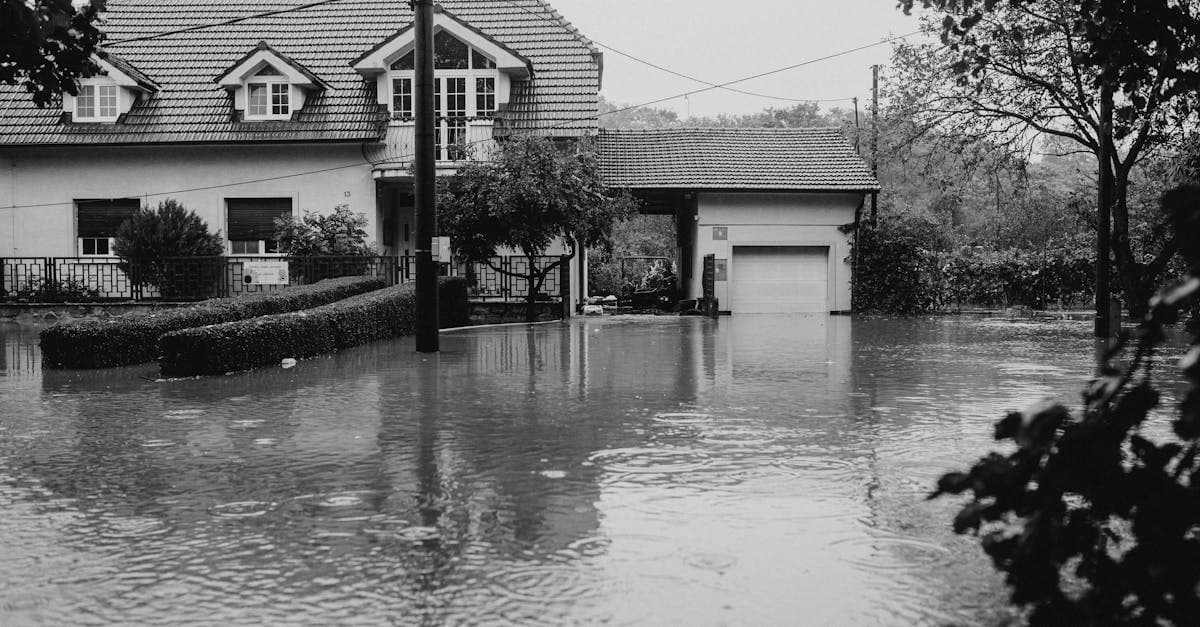
As a homeowner paying insurance premiums every month, you deserve a straight answer about water damage coverage. Your homeowners policy is the storm barrier that stands between homeowners and the financial deluge of water damage, holding firm whether the water comes from above, below, or inside the walls, but the water damage provisions contain more exclusions, conditions, and fine print than almost any other section of your coverage. Insurance companies benefit when you do not understand these distinctions because confused policyholders file fewer claims and accept more denials without challenge.
Here is what your insurer may not explain clearly: your standard homeowners policy covers sudden, accidental water damage from sources inside your home. A burst pipe, a ruptured washing machine hose, an overflowing toilet — these events are covered because they are sudden, unexpected, and beyond your control. But your policy excludes gradual leaks, flood damage, sewer backup, groundwater seepage, and water damage resulting from deferred maintenance.
The exclusions are where insurance companies save money and homeowners lose it. Sewer backup is one of the most common home damage events in America, yet it is excluded from every standard homeowners policy. Flood damage affects hundreds of thousands of homes each year, yet standard policies exclude it entirely. Gradual leaks cause billions in damage annually, yet the maintenance exclusion denies coverage for all of them.
Each of these excluded water damage categories has a solution — a separate endorsement or policy that provides coverage. But these solutions only work if you know the gaps exist before the water arrives. As a consumer advocate, my goal is to ensure every homeowner understands exactly which water damage events their standard policy covers, which are excluded, and which endorsements and supplemental policies close the most expensive gaps. This guide provides that transparency.
Water Damage Prevention: Protecting What Insurance Cannot Cover
The claim is worth questioning. Prevention is forecasting which water damage scenarios your policy covers and which require separate protection so no storm catches your finances exposed when it comes to water damage, because the most effective protection combines insurance coverage for sudden events with maintenance practices that prevent the gradual damage your policy excludes.
Smart water detection systems: Leak detection sensors placed near water heaters, washing machines, dishwashers, and under sinks alert you within minutes of a leak starting. Advanced systems connect to automatic shutoff valves that stop water flow instantly. Many insurers offer premium discounts for homes equipped with these devices.
Supply line maintenance: Replace rubber washing machine hoses with braided stainless steel every five years. Inspect supply lines to toilets, sinks, and refrigerator ice makers annually. Replace any showing corrosion, bulging, or mineral buildup. Supply line failures remain the most preventable water damage events.
Plumbing inspections: Schedule professional plumbing inspections every two to three years. A plumber identifies corroded pipes, failing fittings, and potential burst risks before they cause damage. The inspection cost is trivial compared to the average water damage claim.
Foundation and drainage: Ensure grading directs water away from your foundation. Clean gutters and downspouts regularly. Extend downspouts at least four feet from the foundation. Install a sump pump with battery backup if your basement sits below the water table. These measures prevent the groundwater seepage insurance excludes.
Seasonal preparation: Before winter, insulate exposed pipes, disconnect outdoor hoses, and maintain minimum indoor temperatures. Before storm season, inspect your roof and clear gutters. Before extended trips, shut off the main water supply or arrange regular property checks. Seasonal preparation addresses the most common causes of both covered and excluded water damage.
Sewer Backup Coverage: The Endorsement Every Homeowner Needs
The claim is worth questioning. Sewer and drain backups are among the most common and most disgusting home damage events, yet standard homeowners policies exclude them entirely. The good news is that closing this gap is inexpensive and straightforward — a sewer backup endorsement typically costs thirty to seventy-five dollars per year.
Why standard policies exclude it: Insurers classify sewer backup as maintenance-related because aging sewer lines, tree root intrusion, and grease buildup contribute to many events. Municipal system overflows during heavy rain add flood-like exposure that insurers prefer to price separately from standard coverage.
What the endorsement covers: A sewer backup endorsement covers damage from water or sewage backing up through sewer lines, drains, and sump pumps. This includes floor and wall damage, personal property destruction, professional cleanup and sanitation, and structural repairs required by the backup.
Coverage limits: Endorsements typically provide five thousand to twenty-five thousand dollars in coverage. The average claim ranges from seven to fifteen thousand dollars, so selecting a limit at the higher end provides more meaningful protection against severe events.
Sump pump failure: Many sewer backup endorsements also cover sump pump failure or overflow — protecting against two of the most common causes of basement flooding in a single endorsement. If your basement relies on a sump pump, this dual coverage is especially valuable.
The cost-benefit calculation: At thirty to seventy-five dollars per year with average claims exceeding seven thousand dollars, sewer backup coverage is one of the best-value endorsements available. The math strongly favors adding this to every homeowners policy.
Sudden vs Gradual Water Damage: The Line That Determines Coverage
But does this hold up under scrutiny? The most important distinction in homeowners water damage coverage is the difference between sudden and gradual damage, and your policy is the storm barrier that stands between homeowners and the financial deluge of water damage, holding firm whether the water comes from above, below, or inside the walls only for the sudden variety. Every water damage claim starts with your insurer asking one question: was this damage sudden and accidental, or did it develop gradually over time?
Sudden damage is covered: A pipe that bursts without warning, a washing machine hose that ruptures, a water heater that fails catastrophically, or a toilet that overflows suddenly — all trigger coverage under your homeowners policy. The defining characteristic is that the water escape was unexpected and rapid.
Gradual damage is excluded: A pipe fitting dripping behind a wall for months, a toilet running constantly causing subfloor rot, or a shower pan seeping water into joists over years — all are excluded under the maintenance provisions of your policy.
How insurers determine timing: Adjusters examine physical evidence. Mineral deposits suggest long-term dripping. Extensive mold indicates prolonged moisture. Discoloration reveals sustained water flow. Fresh damage with no secondary growth supports a sudden event.
The gray area: Many events fall between clearly sudden and clearly gradual. A fitting may have wept for weeks before failing catastrophically. Your insurer covers the sudden failure but may exclude damage from earlier gradual seepage. Documenting discovery timing strengthens borderline cases.
Protecting yourself: Regular plumbing inspections, prompt repair of small leaks, and water detection sensors catch gradual issues before they become excluded damage events.
Hidden Water Leaks: The Coverage Challenge Behind Your Walls
The claim is worth questioning. Hidden water leaks present one of the most challenging coverage scenarios in homeowners insurance because the critical question — was this sudden or gradual — is often difficult to answer when the leak has been concealed behind walls, under floors, or above ceilings.
When hidden leaks are covered: A pipe behind a wall that bursts suddenly is covered regardless of its hidden location. The fact that you could not see the pipe does not change the coverage determination. Tear-out costs to access and repair the pipe are typically included in the claim.
When hidden leaks are excluded: If investigation reveals a pipe has been leaking for weeks or months — evidenced by mold growth, mineral deposits, wood rot, or widespread staining — the claim is denied as gradual damage. The hidden location does not excuse gradual failure.
The investigation process: Adjusters examine physical evidence of timing. Fresh damage with no mold or discoloration suggests a recent sudden event. Extensive secondary damage including mold colonies and deteriorated wood indicates prolonged moisture exposure. A plumber's assessment of the failure mode also factors into coverage.
Partial coverage scenarios: Some hidden leaks involve both sudden and gradual elements. A fitting may have seeped for weeks before failing completely. Your insurer may cover damage from the sudden failure while excluding damage from the earlier gradual phase. These split determinations are common in hidden leak claims.
Detection technology: Smart leak sensors detect water within hours, catching issues before they become excluded gradual damage. Sensor data documents the exact discovery timeline, providing evidence that supports sudden event coverage determinations.
Frozen Pipe Water Damage: Winter Coverage Rules Every Homeowner Needs
But does this hold up under scrutiny? Frozen pipes that burst are a covered water damage event under homeowners insurance, but coverage comes with an important condition: you must have taken reasonable steps to protect your plumbing from freezing. This maintenance requirement determines whether your frozen pipe claim is approved or denied.
The coverage basics: When freezing causes a pipe to burst, water damage to your home and belongings is covered. Dwelling coverage pays for structural repairs. Personal property coverage replaces damaged belongings. Loss of use pays for temporary housing if needed.
The maintenance condition: Your policy requires maintaining heat during cold weather or taking reasonable steps to protect plumbing. Turning off heat during a winter vacation may result in denial. Pipes in unheated areas that freeze due to lack of insulation face similar scrutiny.
What constitutes reasonable steps: Maintaining your thermostat at fifty-five degrees or above satisfies most policies. Opening cabinet doors during extreme cold, allowing faucets to drip, and insulating exposed pipes demonstrate reasonable care.
Snowbird and vacancy concerns: Extended winter absences elevate frozen pipe risk. Some insurers require weekly property checks, minimum thermostat settings, or water supply shutoff. Failing to meet these conditions can void coverage.
Prevention investments: Insulate pipes in unheated areas. Install a smart thermostat with temperature drop alerts. Consider an automatic shutoff system. These investments cost far less than the average frozen pipe claim.
Sudden vs Gradual Water Damage: The Line That Determines Coverage
But does this hold up under scrutiny? The most important distinction in homeowners water damage coverage is the difference between sudden and gradual damage, and your policy is the storm barrier that stands between homeowners and the financial deluge of water damage, holding firm whether the water comes from above, below, or inside the walls only for the sudden variety. Every water damage claim starts with your insurer asking one question: was this damage sudden and accidental, or did it develop gradually over time?
Sudden damage is covered: A pipe that bursts without warning, a washing machine hose that ruptures, a water heater that fails catastrophically, or a toilet that overflows suddenly — all trigger coverage under your homeowners policy. The defining characteristic is that the water escape was unexpected and rapid.
Gradual damage is excluded: A pipe fitting dripping behind a wall for months, a toilet running constantly causing subfloor rot, or a shower pan seeping water into joists over years — all are excluded under the maintenance provisions of your policy.
How insurers determine timing: Adjusters examine physical evidence. Mineral deposits suggest long-term dripping. Extensive mold indicates prolonged moisture. Discoloration reveals sustained water flow. Fresh damage with no secondary growth supports a sudden event.
The gray area: Many events fall between clearly sudden and clearly gradual. A fitting may have wept for weeks before failing catastrophically. Your insurer covers the sudden failure but may exclude damage from earlier gradual seepage. Documenting discovery timing strengthens borderline cases.
Protecting yourself: Regular plumbing inspections, prompt repair of small leaks, and water detection sensors catch gradual issues before they become excluded damage events.
Hidden Water Leaks: The Coverage Challenge Behind Your Walls
The claim is worth questioning. Hidden water leaks present one of the most challenging coverage scenarios in homeowners insurance because the critical question — was this sudden or gradual — is often difficult to answer when the leak has been concealed behind walls, under floors, or above ceilings.
When hidden leaks are covered: A pipe behind a wall that bursts suddenly is covered regardless of its hidden location. The fact that you could not see the pipe does not change the coverage determination. Tear-out costs to access and repair the pipe are typically included in the claim.
When hidden leaks are excluded: If investigation reveals a pipe has been leaking for weeks or months — evidenced by mold growth, mineral deposits, wood rot, or widespread staining — the claim is denied as gradual damage. The hidden location does not excuse gradual failure.
The investigation process: Adjusters examine physical evidence of timing. Fresh damage with no mold or discoloration suggests a recent sudden event. Extensive secondary damage including mold colonies and deteriorated wood indicates prolonged moisture exposure. A plumber's assessment of the failure mode also factors into coverage.
Partial coverage scenarios: Some hidden leaks involve both sudden and gradual elements. A fitting may have seeped for weeks before failing completely. Your insurer may cover damage from the sudden failure while excluding damage from the earlier gradual phase. These split determinations are common in hidden leak claims.
Detection technology: Smart leak sensors detect water within hours, catching issues before they become excluded gradual damage. Sensor data documents the exact discovery timeline, providing evidence that supports sudden event coverage determinations.
Take Action on Your Water Damage Coverage Today
Understanding water damage coverage is only valuable when you act on it. Here is what you should do this week to protect your home from the full spectrum of water damage threats.
First, review your homeowners declarations page and confirm you understand which water damage events your standard policy covers. Look specifically for the flood exclusion, the sewer backup exclusion, and the gradual damage exclusion. Knowing where your coverage ends is the first step toward closing the gaps.
Second, add a sewer backup endorsement if you do not already have one. At thirty to seventy-five dollars per year, this is the highest-value water damage endorsement available. Every homeowner with indoor plumbing faces sewer backup risk, and the average claim far exceeds the endorsement cost.
Third, evaluate whether you need separate flood insurance. If your home is in a flood zone, near a body of water, or in a low-lying area, a flood policy closes the most dangerous gap in your water damage coverage. Even homeowners outside high-risk zones file twenty-five percent of all flood claims.
Fourth, install water leak detection sensors near your water heater, washing machine, dishwasher, and under sinks. Early detection converts potentially excluded gradual leaks into documented sudden events and prevents major damage from minor failures.
Your water damage coverage is forecasting which water damage scenarios your policy covers and which require separate protection so no storm catches your finances exposed. The combination of adequate insurance, smart endorsements, leak detection technology, and regular maintenance creates a comprehensive water damage defense that covers what your policy pays and prevents what it excludes. Take action now — before the next drop of water tests your coverage.
Continue reading

How Bundling Discounts Complicate Insurance Quote Comparisons
Bundling home and auto insurance often produces significant discounts, but comparing bundled quotes against individual policies requires careful analysis to determine which approach truly saves more money.

Policy Checkup After Starting a Business: Protecting Your New Venture
Starting a business creates liability exposure, property risks, and coverage needs that personal policies do not address. A policy checkup identifies where business insurance is required.

The History of Assignment of Benefits Abuse in Florida Insurance
Florida became the epicenter of AOB abuse with a surge in litigation that doubled insurance costs. Understanding this history provides lessons for homeowners in every state.