Landscaping Damage From Fallen Trees: What Insurance Pays

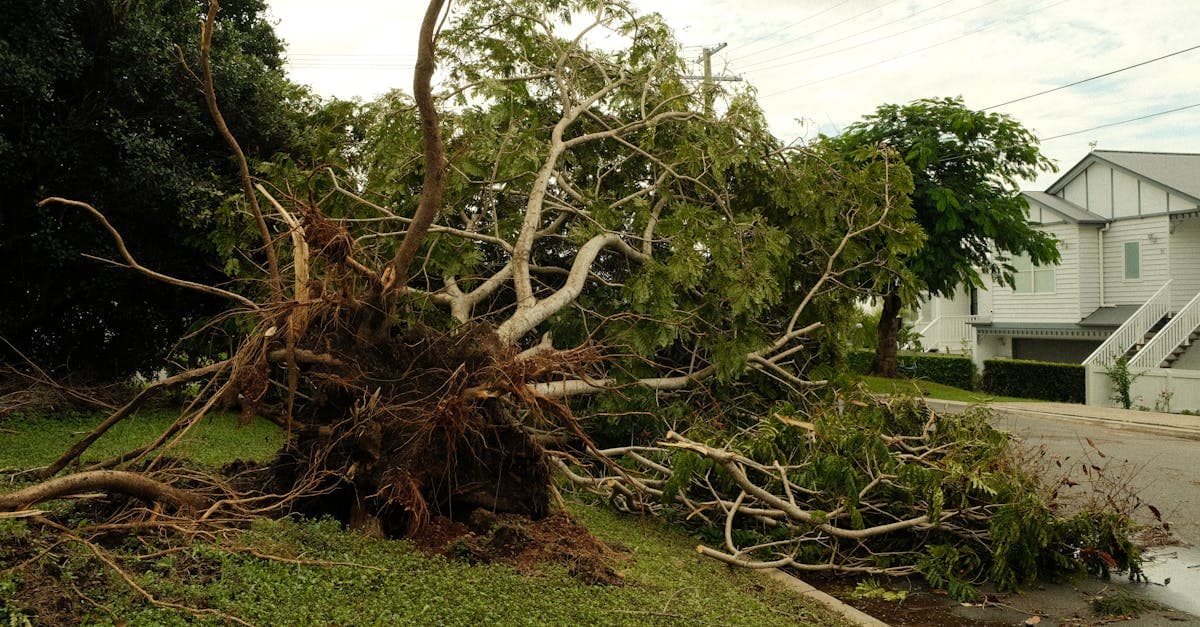
As a consumer, understanding your fallen tree coverage before an incident occurs puts you in a position of strength. Too many homeowners learn the details of this coverage while standing in front of a tree-damaged home, which is the worst possible time to discover limits, exclusions, and process requirements.
Your homeowners insurance is the shelter that keeps your finances dry when a storm-toppled tree opens your home to the elements. The standard HO-3 policy covers fallen tree damage to your dwelling, other structures, and personal property. Tree removal is covered with per-tree limits when the tree damages a structure or blocks access. These are solid protections that address the most common and most expensive fallen tree scenarios.
However, the consumer-unfriendly details matter. Per-tree removal limits of $500 to $1,000 are common but have not kept pace with actual removal costs. Landscaping replacement is limited to $500 per tree with a low aggregate cap. And the distinction between a tree that hits your house (covered removal) and a tree that falls in your yard (your expense) creates situations that feel arbitrary to homeowners dealing with the aftermath.
Knowing these limits empowers you to make informed decisions. You might choose to add endorsements that increase tree removal limits. You might invest in preventive tree maintenance to reduce the risk entirely. Or you might simply budget for the gap between what insurance covers and what tree removal actually costs in your area.
When a Tree Falls on Your House
But does this hold up under scrutiny? A tree falling on your home is one of the clearest covered events in homeowners insurance. Your dwelling coverage is the shelter that keeps your finances dry when a storm-toppled tree opens your home to the elements — it pays to repair structural damage, replace damaged roofing, fix interior damage from water intrusion, and restore your home to its pre-loss condition.
What dwelling coverage includes: The full scope of repair from a fallen tree on your house is covered. This includes roof repair or replacement, structural framing repairs, damaged siding, broken windows, interior ceiling and wall repairs, damaged flooring from water intrusion, and any other dwelling components affected by the tree impact or its consequences.
Consequential damage: When a tree breach allows rain, debris, or animals into your home, the resulting damage is covered as consequential damage from a covered peril. Water stains on ceilings below the breach, mold that develops from moisture intrusion, and damaged insulation are all part of the same claim.
Your duty to mitigate: After a tree hits your house, you must take reasonable steps to prevent further damage. Cover the breach with tarps, board up broken windows, and remove standing water. These temporary repair costs are reimbursed by your insurer in addition to the permanent repair costs.
Claim process: Document the damage thoroughly before making any temporary repairs. Photograph the tree, the impact area, and all resulting damage from multiple angles. Contact your insurer to file the claim. An adjuster will inspect the property and prepare a repair estimate. You may supplement the estimate with contractor quotes if you believe the adjuster's figure is too low.
Dead Trees and Your Insurance Liability
The claim is worth questioning. Dead and diseased trees create a special liability risk that goes beyond standard fallen tree coverage. When you know a tree is hazardous and fail to remove it, you may be liable for damage it causes to other people's property — and your own claim may be jeopardized.
The maintenance obligation: Homeowners insurance assumes you maintain your property in reasonable condition. This includes removing trees that are obviously dead, severely diseased, or structurally compromised. Failing to remove a known hazard is considered maintenance neglect.
Impact on your own claim: If a dead tree that you knew about falls on your own home, the insurer may reduce or deny your claim based on maintenance neglect. The argument is that the damage was foreseeable and preventable. While most insurers still cover the claim, they may pursue the argument for repeat claims or egregious neglect.
Liability to neighbors: If your dead tree falls on your neighbor's property, you may be liable for their damage. Unlike healthy storm-felled trees, where no liability exists, a known dead tree establishes potential negligence. If your neighbor can show that you knew the tree was hazardous and failed to act, you may be responsible for their repair costs.
Documenting tree condition: Conduct annual visual inspections of your trees. If you notice dead branches, trunk decay, leaning, or root exposure, have a professional arborist evaluate the tree. Keep the arborist's report as evidence of due diligence. If the arborist recommends removal, follow through promptly.
The cost of prevention vs liability: Removing a dead tree typically costs $500 to $2,000 depending on size and location. The potential liability from a dead tree falling on a neighbor's home, car, or — worst case — a person far exceeds any removal cost. Preventive removal is both the safest and most financially sound approach.
When a Tree Falls on Your House
But does this hold up under scrutiny? A tree falling on your home is one of the clearest covered events in homeowners insurance. Your dwelling coverage is the shelter that keeps your finances dry when a storm-toppled tree opens your home to the elements — it pays to repair structural damage, replace damaged roofing, fix interior damage from water intrusion, and restore your home to its pre-loss condition.
What dwelling coverage includes: The full scope of repair from a fallen tree on your house is covered. This includes roof repair or replacement, structural framing repairs, damaged siding, broken windows, interior ceiling and wall repairs, damaged flooring from water intrusion, and any other dwelling components affected by the tree impact or its consequences.
Consequential damage: When a tree breach allows rain, debris, or animals into your home, the resulting damage is covered as consequential damage from a covered peril. Water stains on ceilings below the breach, mold that develops from moisture intrusion, and damaged insulation are all part of the same claim.
Your duty to mitigate: After a tree hits your house, you must take reasonable steps to prevent further damage. Cover the breach with tarps, board up broken windows, and remove standing water. These temporary repair costs are reimbursed by your insurer in addition to the permanent repair costs.
Claim process: Document the damage thoroughly before making any temporary repairs. Photograph the tree, the impact area, and all resulting damage from multiple angles. Contact your insurer to file the claim. An adjuster will inspect the property and prepare a repair estimate. You may supplement the estimate with contractor quotes if you believe the adjuster's figure is too low.
Dead Trees and Your Insurance Liability
The claim is worth questioning. Dead and diseased trees create a special liability risk that goes beyond standard fallen tree coverage. When you know a tree is hazardous and fail to remove it, you may be liable for damage it causes to other people's property — and your own claim may be jeopardized.
The maintenance obligation: Homeowners insurance assumes you maintain your property in reasonable condition. This includes removing trees that are obviously dead, severely diseased, or structurally compromised. Failing to remove a known hazard is considered maintenance neglect.
Impact on your own claim: If a dead tree that you knew about falls on your own home, the insurer may reduce or deny your claim based on maintenance neglect. The argument is that the damage was foreseeable and preventable. While most insurers still cover the claim, they may pursue the argument for repeat claims or egregious neglect.
Liability to neighbors: If your dead tree falls on your neighbor's property, you may be liable for their damage. Unlike healthy storm-felled trees, where no liability exists, a known dead tree establishes potential negligence. If your neighbor can show that you knew the tree was hazardous and failed to act, you may be responsible for their repair costs.
Documenting tree condition: Conduct annual visual inspections of your trees. If you notice dead branches, trunk decay, leaning, or root exposure, have a professional arborist evaluate the tree. Keep the arborist's report as evidence of due diligence. If the arborist recommends removal, follow through promptly.
The cost of prevention vs liability: Removing a dead tree typically costs $500 to $2,000 depending on size and location. The potential liability from a dead tree falling on a neighbor's home, car, or — worst case — a person far exceeds any removal cost. Preventive removal is both the safest and most financially sound approach.
Filing a Fallen Tree Insurance Claim: Step by Step
But does this hold up under scrutiny? When a tree falls on your property, following a structured claim process ensures you receive every dollar of coverage you are entitled to. These steps apply whether one tree or several trees caused the damage.
Step one — ensure safety: Do not enter a structure that has been compromised by a fallen tree until it is cleared as safe. Downed power lines, unstable structures, and gas leaks can all result from tree damage. Call 911 if you suspect any immediate hazards.
Step two — document before acting: Once safe, photograph and video all damage before any cleanup or temporary repairs. Capture the tree, the impact area, all structural and property damage, and the surrounding context. This pre-repair documentation is your most important evidence.
Step three — prevent further damage: Tarp roof openings, board broken windows, and remove standing water. Keep receipts for all materials and emergency services. These mitigation costs are reimbursable and your policy requires you to take these steps.
Step four — contact your insurer: Report the claim promptly. Provide basic information about when the tree fell, what it damaged, and the current state of the property. Request a claim number and timeline for adjuster contact.
Step five — get independent estimates: Before or alongside the adjuster's visit, obtain estimates from licensed contractors for structural repairs and from tree removal services for removal costs. Having your own estimates provides a basis for comparison with the adjuster's figures.
Step six — meet the adjuster: Be present during the adjuster's inspection. Walk them through all damage areas and provide your documentation. Point out damage that may not be immediately visible, such as interior water damage or damage to the far side of a structure.
Tree Falls on Your Car: Which Policy Pays
But does this hold up under scrutiny? Vehicle damage from a fallen tree is one of the most common points of confusion in tree-related claims. Your homeowners insurance does not cover damage to your vehicle — this is exclusively an auto insurance claim under your comprehensive coverage.
Auto comprehensive coverage: If you carry comprehensive coverage on your auto policy, damage from a fallen tree is a covered event. The insurer pays to repair or replace your vehicle minus your auto comprehensive deductible. This is true whether the tree fell from your property, your neighbor's property, or a public right-of-way.
No comprehensive coverage: If you do not carry comprehensive on your auto policy — common with older, lower-value vehicles — tree damage to your car is not covered by any insurance. Neither your homeowners nor your auto policy will pay for the damage. This is a significant coverage gap for drivers who drop comprehensive to save on premiums.
Where the tree came from does not matter: Unlike some property damage situations, the origin of the tree does not affect coverage. Your auto comprehensive covers tree damage to your vehicle regardless of where the tree was rooted. You do not need to identify the tree's owner or establish negligence.
Rental car coverage: If tree damage disables your vehicle, your auto policy's rental car reimbursement coverage provides a temporary vehicle while yours is being repaired. This coverage is an optional auto insurance endorsement, not part of your homeowners policy.
Parked vs driving: Your auto comprehensive coverage applies whether your vehicle was parked or in motion when the tree fell. A tree falling on your car while driving is still a comprehensive claim, not a collision claim, because the tree is an external falling object rather than a road surface collision.
Preventive Tree Care and Insurance
The claim is worth questioning. While homeowners insurance does not pay for preventive tree removal or maintenance, investing in tree care reduces your risk of fallen tree damage and strengthens your insurance position when claims do arise. A well-maintained property demonstrates the care that insurers expect.
Regular inspections: Have your trees professionally inspected every few years, particularly large trees near structures. Arborists can identify disease, structural weakness, root problems, and other hazards before they result in tree failure. Keep inspection reports as evidence of due diligence.
Pruning and trimming: Regular pruning removes dead branches, reduces wind resistance, and improves tree health. Dead branches are the most common tree-related damage source — they break off in moderate winds and damage whatever is below. Removing them preventively eliminates the hazard.
Hazardous tree removal: When an arborist identifies a tree as hazardous, removing it promptly is both the safest and most financially sound decision. The cost of preventive removal is almost always less than the damage, deductible costs, and premium impact of a fallen tree claim.
Species selection for new plantings: When planting new trees, consider their mature size, root invasiveness, wood strength, and proximity to structures. Fast-growing species like silver maples are popular but are also among the most prone to storm damage due to brittle wood. Selecting wind-resistant species planted at appropriate distances from structures reduces long-term risk.
Insurance implications: Documenting your tree maintenance creates evidence that you fulfilled your property maintenance obligations. If a tree does fall despite regular care, this record demonstrates that the fall was genuinely unforeseeable rather than the result of neglect. This documentation can be valuable if the insurer questions whether the tree was properly maintained.
Take Action on Your Tree Damage Coverage Today
Understanding fallen tree coverage is only valuable if you use that knowledge to prepare. Here is what to do right now.
First, review your homeowners policy for per-tree removal limits. If the limit is $500, consider whether an endorsement to increase that limit is available and worth the cost. The gap between a $500 limit and a $3,000 removal bill is entirely your responsibility.
Second, inspect the trees on your property. Identify any dead, diseased, or structurally compromised trees near structures and arrange for professional evaluation. Removing a hazardous tree for $1,000 is far cheaper than dealing with the damage, deductible, and premium impact of a fallen tree claim.
Third, photograph your property including all structures, trees, and landscaping. Store these records in the cloud. This pre-loss documentation is your most powerful tool for a fair claim settlement.
Understanding your fallen tree coverage is forecasting your recovery options before the next tree-toppling storm arrives. The trees around your home will be there through every storm season. Your preparation determines whether a fallen tree is a manageable insurance event or a financial surprise.
Continue reading

How Bundling Discounts Complicate Insurance Quote Comparisons
Bundling home and auto insurance often produces significant discounts, but comparing bundled quotes against individual policies requires careful analysis to determine which approach truly saves more money.
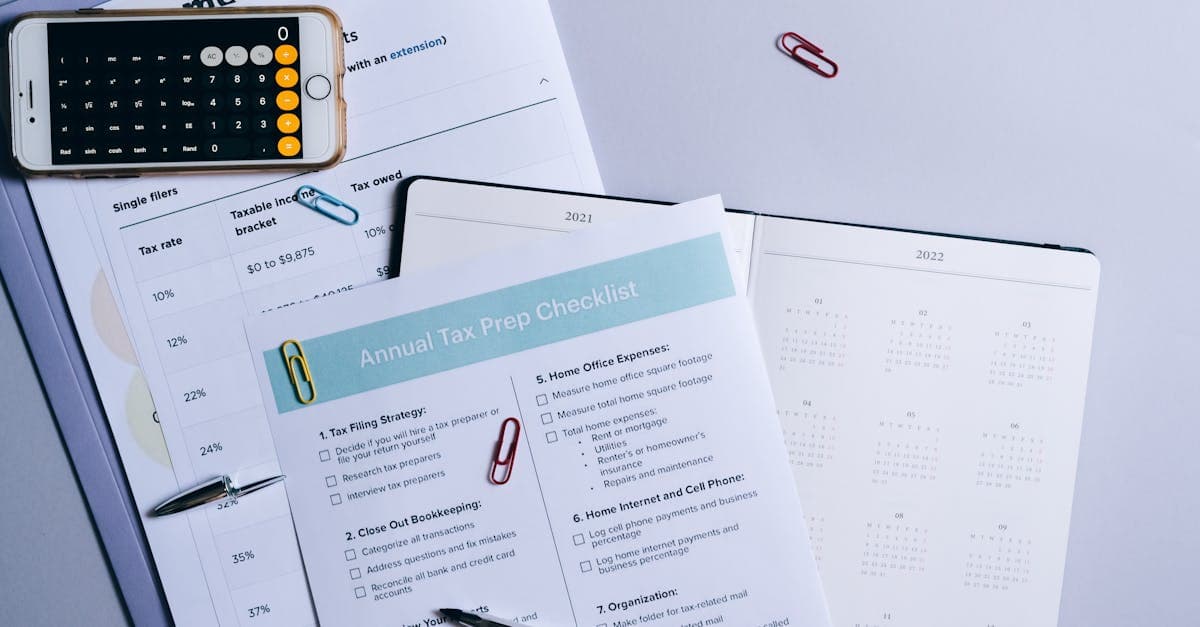
Policy Checkup After Starting a Business: Protecting Your New Venture
Starting a business creates liability exposure, property risks, and coverage needs that personal policies do not address. A policy checkup identifies where business insurance is required.
The History of Assignment of Benefits Abuse in Florida Insurance
Florida became the epicenter of AOB abuse with a surge in litigation that doubled insurance costs. Understanding this history provides lessons for homeowners in every state.