How Policy Language Determines When Your Hurricane Deductible Applies

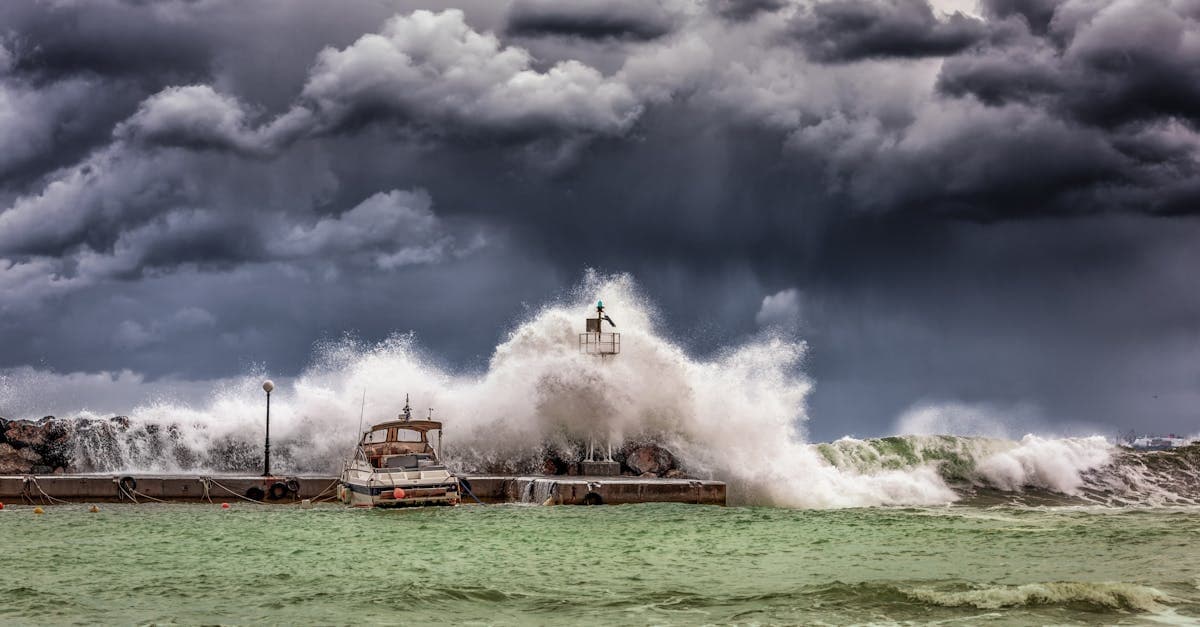
As a consumer, knowing when your hurricane deductible applies is the barometric pressure reading on your insurance policy that tells you exactly when conditions shift from standard deductible calm into the hurricane deductible storm zone where your out-of-pocket costs surge dramatically. The trigger conditions directly control whether you pay $1,000 to $2,500 or $5,000 to $20,000 out of pocket for the same type of wind damage.
Your first step is to find the trigger definition in your policy. Look for your hurricane deductible endorsement — a separate page in your policy documents that specifies the deductible percentage and the conditions under which it applies. The trigger language typically references National Weather Service classifications, hurricane watches or warnings, or specific wind speed thresholds.
Your second step is to understand the practical implications. If your policy triggers the hurricane deductible when a hurricane watch is issued for your county, the trigger is broader than a policy requiring actual hurricane conditions at your property. A broader trigger means the hurricane deductible activates more often, affecting more claims.
Your third step is to compare trigger definitions when shopping for insurance. Two policies with the same 2 percent hurricane deductible may have different trigger conditions. The policy with a narrower trigger — requiring actual hurricane conditions rather than just a watch — provides more favorable financial protection because the higher deductible activates less frequently.
Review your trigger definition at each renewal. State regulations change, policy language evolves, and the trigger conditions that applied last year may have been modified. Annual verification ensures you always know when your hurricane deductible will activate.
State-by-State Variations in Hurricane Deductible Trigger Rules
But does this hold up under scrutiny? Each coastal state has its own regulations defining when the hurricane deductible activates. Knowing your state's specific rules is essential because they directly control when the higher deductible applies to your claims.
Florida: Florida defines the hurricane deductible trigger period as beginning when the National Hurricane Center issues a hurricane watch or warning for any part of the state and ending 72 hours after the watch or warning is lifted for the entire state. This broad trigger means the deductible can activate statewide even if the hurricane only threatens one coast.
Texas: Texas coastal properties insured through the Texas Windstorm Insurance Association have specific windstorm deductible triggers tied to named storms. The trigger definitions differ from standard homeowners policies and are governed by TWIA's statutory framework.
Louisiana: Louisiana requires clear disclosure of hurricane deductible trigger conditions and mandates that insurers use specific language defining when the deductible applies. The state has consumer protection provisions that limit trigger ambiguity.
South Carolina: South Carolina uses the term hurricane deductible and ties the trigger to the National Weather Service declaration of a hurricane watch or warning for the insured property's location. The trigger is county-specific rather than statewide.
North Carolina: North Carolina allows hurricane deductibles with triggers based on the National Weather Service issuing a hurricane warning for the area where the insured property is located.
Northeast states: Connecticut, New York, New Jersey, and other northeastern states adopted or revised hurricane deductible trigger definitions after Superstorm Sandy. Many use named storm or hurricane triggers with specific language about storm classification at the time of damage.
Post-Tropical Cyclones and Remnant Storms: Does the Hurricane Deductible Still Apply?
The claim is worth questioning. When a hurricane transitions to a post-tropical cyclone or remnant low, the storm retains significant wind energy but loses its tropical classification. This transition can change which deductible applies to your damage.
Post-tropical transition: A post-tropical cyclone is a former tropical system that has transitioned to an extratropical storm. It may still produce hurricane-force winds, but it is no longer classified as a hurricane. Whether the hurricane deductible applies depends on your policy's trigger language.
The Sandy precedent: Superstorm Sandy was reclassified from a hurricane to a post-tropical cyclone approximately six hours before making landfall in New Jersey in October 2012. Policies with hurricane-only deductible triggers reverted to the standard deductible. Policies with named storm triggers maintained the higher deductible. This single reclassification affected deductible costs across millions of policies.
Remnant low damage: When a hurricane degrades to a remnant low pressure system, it is no longer a named storm. Policies with both hurricane and named storm triggers revert to the standard deductible for damage from remnant systems. However, the transition timing relative to when damage occurred determines the outcome.
Wind speed vs classification: A post-tropical system with hurricane-force winds presents a paradox for deductible purposes. The winds may be identical to those in a hurricane, but the classification determines the deductible. Policies with wind-speed-based triggers may still apply the hurricane deductible if hurricane-force winds exist at the property, regardless of the storm's classification.
Documentation of transition timing: The NWS issues advisories documenting the exact time of tropical-to-extratropical transition. This timestamp becomes critical for determining which deductible applies to damage that occurred near the transition time.
Practical preparation: If a hurricane is forecast to transition to a post-tropical system before reaching your area, prepare for either deductible outcome. The transition timing is uncertain and could occur before or after the storm impacts your property.
How Hurricane Deductible Triggers Are Defined in Your Policy
But does this hold up under scrutiny? Understanding the exact trigger definition in your policy is reading the weather signals in your insurance policy so you can predict exactly when the hurricane deductible activates and prepare your finances for the higher out-of-pocket threshold before the storm arrives. The trigger language determines when your deductible shifts from a manageable flat amount to a percentage of your dwelling coverage.
Hurricane watch trigger: Some policies activate the hurricane deductible when the National Weather Service issues a hurricane watch for your county or parish. A watch means hurricane conditions are possible within 48 hours. This is the broadest trigger because watches cover large geographic areas and are issued well before a storm arrives.
Hurricane warning trigger: Other policies use a hurricane warning as the trigger. A warning means hurricane conditions are expected within 36 hours. This is a narrower trigger than a watch because warnings are issued later, for smaller areas, and indicate higher confidence that hurricane conditions will occur.
Actual hurricane conditions trigger: The narrowest trigger requires that hurricane-force winds of 74 mph or higher actually occur at or near the insured property. This trigger provides the most favorable outcome for homeowners because it limits the hurricane deductible to situations where true hurricane conditions affect the property.
Named storm trigger: Some policies use a named storm trigger that activates for any named tropical system — tropical depressions, tropical storms, and hurricanes. This is the broadest possible trigger and applies the higher deductible to the widest range of storms.
Reading your policy: The trigger definition appears in your hurricane deductible endorsement, usually a separate page attached to your policy. Read this endorsement carefully and note the exact language. If the language is unclear, ask your agent to explain exactly what conditions activate the hurricane deductible on your specific policy.
Named Storm Deductible vs Hurricane Deductible: Different Triggers, Different Costs
The claim is worth questioning. Your policy may use a named storm deductible or a hurricane deductible — and the distinction is financially significant because it determines how many types of storms trigger the higher deductible.
Named storm deductible scope: A named storm deductible applies to any storm that the National Weather Service assigns a name — including tropical depressions that receive names, tropical storms, and hurricanes. This is the broadest trigger category and activates the higher deductible for the widest range of events.
Hurricane deductible scope: A hurricane-only deductible applies solely when the storm is classified as a hurricane at the time of damage. Tropical storms, tropical depressions, and post-tropical systems do not trigger this deductible. This narrower scope means the higher deductible activates less frequently.
Frequency comparison: The Atlantic basin averages about 14 named storms per year but only 7 hurricanes. Of those, only 1 to 3 typically make landfall in the United States. A named storm deductible can activate for roughly twice as many events as a hurricane-only deductible.
Financial impact over time: If a named storm deductible causes you to pay the higher percentage twice in 10 years compared to once with a hurricane deductible, the cumulative difference can be $5,000 to $20,000 depending on your deductible amount and the severity of damage.
Checking your policy: Look at your deductible endorsement for the specific term used. Named storm deductible, hurricane deductible, tropical cyclone deductible, and wind/hail deductible are all different designations with different trigger scopes. The exact term used determines which storms activate the higher deductible.
Shopping consideration: When comparing policies, always compare the trigger type along with the deductible percentage. A 2 percent hurricane deductible may be more favorable than a 2 percent named storm deductible because it triggers less frequently, even though the percentage is the same.
Hurricane Deductible and Flood Deductible: Two Separate Triggers for the Same Storm
But does this hold up under scrutiny? A single hurricane can trigger two separate deductibles — your hurricane deductible for wind damage and your flood deductible for water damage. Understanding this dual trigger prevents financial surprises.
The wind damage trigger: Your hurricane deductible applies to wind damage covered under your homeowners policy. This includes roof damage, siding damage, broken windows, structural damage from wind pressure, and interior damage from wind-driven rain entering through wind-created openings.
The flood damage trigger: Your flood deductible applies to flood damage covered under your separate flood insurance policy through the NFIP or a private flood insurer. This includes storm surge, rising water, and standing water damage. Flood deductibles are typically $1,000 to $10,000.
Dual deductible exposure: When a hurricane causes both wind damage and flood damage — which is common in coastal areas — you pay both deductibles. If your hurricane deductible is $8,000 and your flood deductible is $5,000, your combined out-of-pocket cost is $13,000 before either policy begins paying.
The attribution challenge: Determining whether damage was caused by wind or flood affects which deductible applies to each component of damage. Wind-driven rain entering through a wind-damaged roof is a wind claim. Storm surge entering through ground-level openings is a flood claim. The attribution directly determines deductible allocation.
Separate policies, separate triggers: The hurricane deductible trigger on your homeowners policy operates independently from the flood deductible trigger on your flood policy. The hurricane deductible may use a watch-based trigger while the flood deductible activates whenever flood conditions cause covered damage.
Financial planning for dual triggers: Budget for both deductibles simultaneously when a hurricane approaches. The combined deductible exposure is often the single largest financial obligation a coastal homeowner faces during a hurricane event.
Geographic Factors That Determine Whether Your Hurricane Deductible Applies
But does this hold up under scrutiny? Your geographic location relative to the hurricane's path and intensity determines whether the hurricane deductible applies to your damage. Understanding these geographic factors helps you assess your exposure during approaching storms.
Distance from the eye: Hurricane-force winds extend outward from the eye by varying distances — sometimes 25 miles, sometimes over 100 miles. If you live within the radius of hurricane-force winds, the hurricane deductible likely applies. If hurricane-force winds do not reach your location, you may remain under the standard deductible.
Wind field asymmetry: Hurricanes produce stronger winds on the right side of the storm track in the Northern Hemisphere. Properties on the right side of the storm path experience hurricane-force winds over a wider area than properties on the left side. Your location relative to the track determines the wind intensity at your property.
County or parish designation: Some states and policies define hurricane deductible zones by county or parish. If your county is under a hurricane warning, the deductible applies to all properties in the county regardless of whether hurricane-force winds actually occur at every location within the county.
Coastal vs inland zones: Some policies apply the hurricane deductible only to properties within a defined coastal zone — a certain distance from the shoreline. Inland properties outside this zone may not have a hurricane deductible even though they are in a hurricane-prone state.
Elevation and exposure: While elevation and wind exposure affect the severity of hurricane damage, they do not directly determine which deductible applies. The trigger is based on storm classification and geographic zone designation, not on the physical exposure of individual properties.
Multi-state storm impact: A hurricane that crosses state lines may trigger different deductible provisions in different states for properties damaged by the same storm. Your state's trigger rules control your deductible regardless of where the hurricane made landfall.
Real-World Scenarios: When the Hurricane Deductible Applied and When It Did Not
The claim is worth questioning. Examining actual storm scenarios illustrates how trigger conditions work in practice. These examples show how the same wind damage can result in dramatically different deductible outcomes.
Scenario one — direct hurricane hit: A Category 3 hurricane makes landfall in your county with 120-mph sustained winds. Your hurricane deductible applies without question. The storm was classified as a hurricane, your area was under a hurricane warning, and hurricane-force winds occurred at your location. Every trigger type activates in this scenario.
Scenario two — tropical storm damage: A tropical storm with 55-mph sustained winds passes through your area causing $15,000 in roof and siding damage. If your policy has a hurricane-only deductible trigger, your standard deductible of $2,500 applies. If your policy has a named storm trigger, the higher deductible applies.
Scenario three — hurricane downgrade: A Category 1 hurricane weakens to a tropical storm 50 miles before reaching your area. It hits your home with 65-mph winds causing $20,000 in damage. With a hurricane-only trigger, your standard deductible applies because the storm was a tropical storm at the time of damage. With a watch-based trigger, the hurricane deductible may still apply if the watch was active.
Scenario four — outer band damage: A hurricane passes 150 miles south of your home. Outer bands with 50-mph gusts damage your fence and tear off several shingles. Your area was under a tropical storm warning, not a hurricane warning. With a hurricane warning trigger, your standard deductible applies. With a hurricane watch trigger that covers the entire state, the hurricane deductible may apply.
Scenario five — the Sandy situation: A hurricane is reclassified as a post-tropical cyclone before landfall. Hurricane-force winds still occur at your property. With a hurricane classification trigger, the standard deductible applies. With a wind-speed trigger, the hurricane deductible applies. With a named storm trigger, the higher deductible applies because the system still has a name.
The takeaway: Every scenario produces a different deductible outcome based on the specific trigger language in your policy. Knowing your trigger type before these scenarios occur is the only way to anticipate your financial obligation.
Take Action: Know Your Hurricane Deductible Trigger Before the Next Storm
Understanding when your hurricane deductible applies is only useful if you act on that knowledge before a storm approaches. Here is your action plan.
First, pull out your policy and find the hurricane deductible endorsement. Read the trigger definition. Determine whether it uses a hurricane watch, hurricane warning, actual conditions, or named storm trigger. Write this down.
Second, calculate your hurricane deductible dollar amount and your standard deductible. Know the gap between them. That gap — often $5,000 to $17,000 — is the financial difference that the trigger condition controls.
Third, prepare for both deductible scenarios when a tropical system approaches. Have your hurricane deductible savings accessible. Understand that the storm's classification at the time of damage determines your cost.
Knowing your trigger conditions is reading the weather signals in your insurance policy so you can predict exactly when the hurricane deductible activates and prepare your finances for the higher out-of-pocket threshold before the storm arrives. The homeowners who navigate hurricane claims most effectively are those who knew before the storm which deductible would apply and had the financial resources ready for either outcome.
Continue reading

How Bundling Discounts Complicate Insurance Quote Comparisons
Bundling home and auto insurance often produces significant discounts, but comparing bundled quotes against individual policies requires careful analysis to determine which approach truly saves more money.
Policy Checkup After Starting a Business: Protecting Your New Venture
Starting a business creates liability exposure, property risks, and coverage needs that personal policies do not address. A policy checkup identifies where business insurance is required.

The History of Assignment of Benefits Abuse in Florida Insurance
Florida became the epicenter of AOB abuse with a surge in litigation that doubled insurance costs. Understanding this history provides lessons for homeowners in every state.