Flood Insurance for Florida Homes Near Canals and Drainage Systems

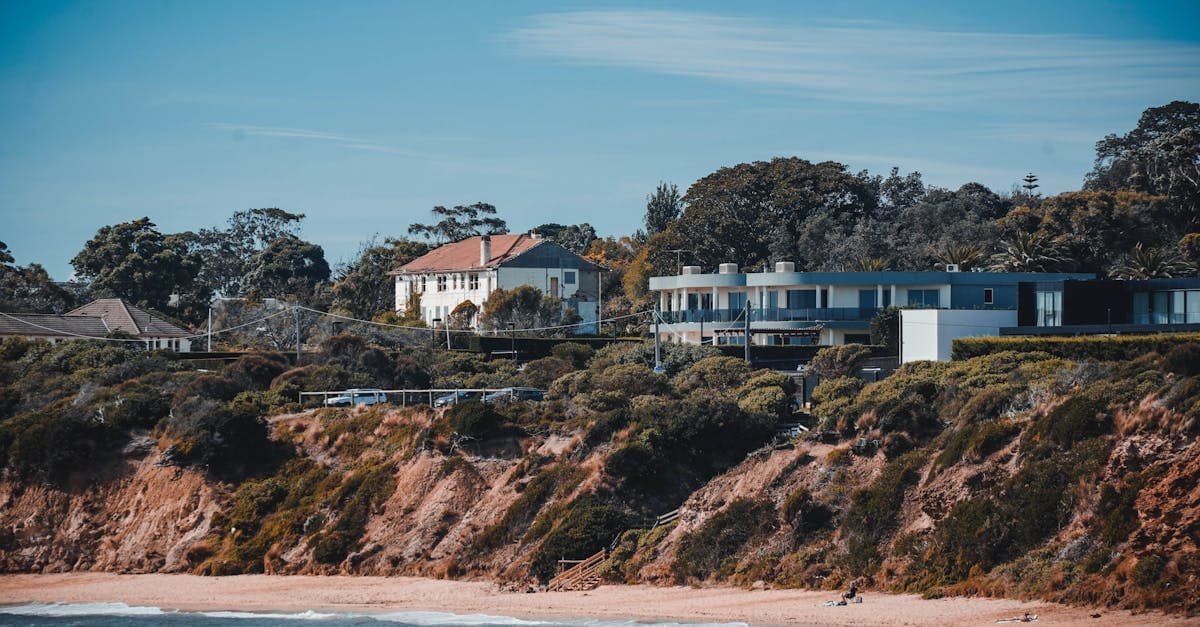
As a Florida property owner, determining whether you need flood insurance is one of the most consequential financial decisions you will make. The wrong answer can cost you tens of thousands of dollars in a single event.
Flood insurance is the personalized weather shield that protects each Florida resident based on their specific exposure to hurricanes, rainfall, storm surge, and drainage conditions. Unlike homeowners insurance, which is standard and expected, flood insurance is often treated as optional — a coverage for coastal properties and flood zone residents. This framing is misleading in Florida, where the entire state is a flood risk zone to varying degrees.
Your decision should be based on three factors. First, your property's physical flood risk — elevation, proximity to water, drainage quality, and surrounding terrain. Second, your financial capacity to absorb an uninsured flood loss — can you write a check for $50,000 to $100,000 without financial hardship? Third, the cost of coverage relative to your risk — is the annual premium a reasonable expense given the potential loss amount?
For most Florida property owners, the honest answers to these questions point toward purchasing flood insurance. The physical risk is real for properties throughout the state. Few homeowners can comfortably absorb a five-figure or six-figure uninsured loss. And the annual premium — particularly for properties outside high-risk zones — is modest relative to the protection it provides.
Florida Homeowners Outside Designated Flood Zones
The claim is worth questioning. Florida homeowners in Zone X or other non-high-risk designations face no federal flood insurance requirement, but they face real flood risk that is the approaching storm that does not discriminate between coastal mansions and inland bungalows when it drops fifteen inches of rain on unprepared neighborhoods.
The Zone X misconception: Zone X means moderate to minimal risk, not zero risk. In Florida, where flat terrain prevents efficient drainage, Zone X properties regularly experience flooding from heavy rainfall, overwhelmed stormwater systems, and localized drainage failures.
Statistics that matter: Over 25 percent of NFIP flood claims come from properties in moderate and low-risk zones. In a state like Florida where rainfall intensity routinely exceeds drainage capacity, the percentage may be even higher. Zone X flooding is a regular occurrence, not an anomaly.
Affordable coverage options: NFIP Preferred Risk Policies for Zone X properties in Florida can cost as little as $300 to $600 per year for $250,000 in building coverage and $100,000 in contents coverage. At this price point, the cost-benefit analysis overwhelmingly favors purchasing coverage.
Risk factors to evaluate: Florida homeowners outside flood zones should evaluate their elevation relative to surrounding terrain, proximity to any water features, neighborhood drainage quality, and local flood history. Low-lying lots in Zone X may face greater actual flood risk than elevated lots in Zone AE.
The development factor: New construction in your area can alter drainage patterns and increase runoff, raising flood risk for properties that were previously unaffected. Monitor development near your Florida home and adjust your flood insurance decision accordingly.
After Paying Off Your Florida Mortgage: Should You Keep Flood Insurance?
But does this hold up under scrutiny? One of the most consequential flood insurance decisions a Florida homeowner faces is whether to maintain coverage after the mortgage is paid off and the legal requirement ends. The answer for most Florida homeowners is emphatically yes — because the approaching storm that does not discriminate between coastal mansions and inland bungalows when it drops fifteen inches of rain on unprepared neighborhoods.
Why homeowners drop coverage: The most common reasons are cost savings, the absence of a mandate, and the belief that self-insuring is adequate. These reasons are understandable but fail to account for the catastrophic potential of uninsured flood damage.
The math of self-insurance: To truly self-insure against flood damage, you need liquid assets sufficient to cover a total flood loss — $50,000 to $150,000 or more depending on the severity of flooding and your home's value. Few homeowners have this level of readily accessible funds that they can afford to spend on emergency home repairs.
What you are really risking: A mortgage-free Florida home represents pure equity — your asset, fully owned. Flood damage to an uninsured home attacks that equity directly. A $75,000 flood repair on a $350,000 home reduces your equity by over 20 percent. A catastrophic flood can make the home uninhabitable and potentially worthless without massive investment.
The retirement timing risk: Many Florida homeowners pay off their mortgages around retirement age, precisely when their financial flexibility is most limited. A major uninsured flood loss during retirement can force reverse mortgages, asset liquidation, or relocation — outcomes that flood insurance prevents.
The affordable alternative: Many mortgage-free homeowners in non-mandatory zones qualify for NFIP Preferred Risk Policies at $300 to $600 per year. Even homeowners in high-risk zones typically pay $1,000 to $3,000. Compare these annual costs to the potential $50,000-plus flood loss they prevent.
The recommendation: Unless you have substantial liquid assets that you are willing and able to deploy for flood repairs, maintaining flood insurance after paying off your Florida mortgage is one of the soundest financial decisions you can make.
Florida Homeowners in Designated Flood Zones
But does this hold up under scrutiny? Homeowners with properties in FEMA Special Flood Hazard Areas represent the most obvious category of who needs flood insurance in Florida. For these homeowners, the question is not whether to carry coverage but how much. Flood insurance is the personalized weather shield that protects each Florida resident based on their specific exposure to hurricanes, rainfall, storm surge, and drainage conditions.
Mandatory coverage homeowners: If your Florida home is in Zone A, AE, AH, AO, V, or VE and you have a federally backed mortgage, flood insurance is legally required. The federal mandate ensures baseline protection, but the minimum required amount may not cover your home's full replacement cost. Review your coverage against actual rebuilding costs.
Homeowners with non-federal mortgages: If your home is in a high-risk zone but your mortgage is through a lender not subject to federal regulation, no legal mandate may apply. However, the flood risk is identical to the house next door with a federal mortgage. The absence of a mandate does not reduce your exposure.
Mortgage-free homeowners in flood zones: Paying off your mortgage in a flood zone removes the legal requirement but does nothing to your risk. These homeowners face the most dangerous temptation — dropping coverage that was previously required and exposing their fully owned asset to uninsured flood damage.
Coverage adequacy: Homeowners in Florida flood zones should carry flood insurance at the maximum available through the NFIP — $250,000 for building and $100,000 for contents — and consider excess flood coverage from private insurers if their home's replacement cost exceeds these limits. Most Florida homes in flood zones need more than the NFIP maximum.
Specific Florida Property Types and Flood Insurance Needs
The claim is worth questioning. Different property types in Florida face different levels and types of flood vulnerability. Understanding your specific property's characteristics helps you evaluate how important flood insurance is for your situation.
Slab-on-grade homes: The most common residential construction type in Florida, slab-on-grade homes place the living space at ground level with minimal elevation above surrounding terrain. These homes are highly vulnerable to even shallow flooding because water enters the living space almost immediately. Flood insurance is essential.
Elevated homes: Homes built on pilings, stilts, or raised foundations are less vulnerable to shallow flooding because the living space sits above expected flood levels. However, extreme storm surge can exceed elevation levels, and lower enclosed areas used for parking or storage remain vulnerable. Flood insurance is still recommended.
Mobile and manufactured homes: These homes are particularly vulnerable to flood damage due to their construction and attachment methods. Water intrusion can quickly compromise the structural integrity of manufactured homes, and repair costs can approach replacement value. Flood insurance is strongly recommended.
Townhouses and row homes: Flood vulnerability depends on the specific unit's position and the building's elevation. Ground-floor units face the highest risk. Owners need individual flood policies in addition to any association coverage.
Multi-story homes: Upper floors may escape direct flood contact, but water damage from flooding on the ground floor can affect the entire structure through wicking, mold, and structural compromise. Flood insurance covers the entire building structure regardless of which floors are directly affected.
Homes with finished lower levels: Finished garages, bonus rooms below the base flood elevation, and enclosed lower areas face severe flood vulnerability. NFIP coverage for below-grade areas is limited to specific items, making proper coverage selection particularly important.
Are There Florida Properties That Truly Do Not Need Flood Insurance?
But does this hold up under scrutiny? In the interest of balanced analysis, it is worth considering whether any Florida properties face genuinely minimal flood risk that might justify foregoing coverage.
Elevated properties on high ground: Florida properties at the highest elevations in their area — hilltop lots in the limited areas of Florida that have hills — face the lowest flood risk. North Central Florida and parts of the Panhandle have higher elevations than the rest of the state.
Properties far from any water source: Properties with no water features, waterways, or drainage infrastructure within a significant radius face lower flood risk than those near water. However, rainfall flooding can still occur on any flat surface.
Properties with excellent drainage: Properties where the lot grading, neighborhood infrastructure, and surrounding terrain combine to direct water away efficiently face lower risk. However, extreme rainfall can overwhelm even well-designed drainage.
The honest assessment: Even for these lower-risk Florida properties, the case for flood insurance is surprisingly strong. The cost of Preferred Risk Policies is modest — often under $500 per year — and the protection against an unlikely but possible event is substantial. A homeowner spending $400 per year on flood insurance is buying peace of mind against a $25,000 to $100,000 loss for about $1.10 per day.
The bottom line: In Florida, there are properties where flood insurance is less critical — but there are very few where it is truly unnecessary. The state's unique combination of flat terrain, intense rainfall, and tropical storm exposure creates some level of flood risk for virtually every property.
Florida First-Time Homebuyers and Flood Insurance
The claim is worth questioning. First-time homebuyers in Florida face a steep learning curve on flood insurance. Many come from states where flood risk is less pervasive, and the additional cost of flood insurance can catch buyers off guard during the closing process.
Pre-purchase research: Before making an offer on a Florida property, check the FEMA flood zone designation at msc.fema.gov. If the property is in a flood zone, obtain a flood insurance quote so you can include this cost in your budget and your offer calculations.
The closing surprise: Too many first-time Florida buyers learn about flood insurance requirements at closing when their lender informs them that coverage is required before the loan can fund. This last-minute discovery creates stress, delays, and budget surprises that are entirely avoidable with early research.
Budgeting for flood insurance: Include flood insurance premiums in your total monthly housing cost calculation — mortgage payment, property taxes, homeowners insurance, HOA fees, and flood insurance. A $1,500 annual flood premium adds $125 per month to housing costs.
Negotiation tool: The requirement for flood insurance and its ongoing cost can be a legitimate negotiating factor in the purchase price. If a property requires $1,500 per year in flood insurance over a 30-year mortgage, that represents $45,000 in cumulative coverage costs.
Even when not required: First-time Florida buyers whose target properties are outside mandatory flood zones should still evaluate flood risk. Getting a flood insurance quote costs nothing and provides valuable information about your property's actual risk profile.
Coverage selection: First-time buyers should work with an insurance agent who understands Florida flood insurance to select appropriate coverage amounts, understand deductible options, and evaluate whether NFIP or private flood coverage is the better fit.
Affordable Flood Insurance Options for Florida Property Owners
But does this hold up under scrutiny? Cost is the primary reason Florida property owners cite for not purchasing flood insurance when it is not required. Understanding the range of affordable options available helps overcome this barrier.
NFIP Preferred Risk Policies: Properties outside high-risk flood zones may qualify for NFIP Preferred Risk Policies with premiums starting under $500 per year. These policies provide up to $250,000 in building coverage and $100,000 in contents coverage — the same limits as standard-rated policies at a fraction of the cost.
Higher deductible options: Both NFIP and private flood policies offer deductible options that affect your premium. Choosing a higher deductible — $5,000 or $10,000 rather than $1,000 — reduces your premium while still protecting against catastrophic losses. The deductible is your retained risk; the insurance covers everything above it.
Contents-only policies: Florida renters and homeowners who want to start with basic protection can purchase contents-only flood coverage through the NFIP. These policies cover personal property without building coverage and are significantly less expensive than full policies.
Private flood insurance: Florida's private flood insurance market is the largest in the nation, and competition among private insurers can produce lower premiums than the NFIP for certain property types. Getting quotes from both NFIP and private insurers ensures you find the most affordable option.
Community Rating System discounts: If your Florida community participates in the NFIP Community Rating System, you may qualify for premium discounts of 5 to 45 percent on your NFIP policy. Check whether your community participates and what discount class it has achieved.
Mitigation credits: Investments in flood mitigation — elevation certificates, flood vents, elevated utilities — can reduce premiums over the life of the policy. The upfront investment in mitigation pays for itself through lower annual premiums and reduced flood damage risk.
Take Action on Flood Insurance for Your Florida Property
Understanding who needs flood insurance is only the first step. Action is what protects your property. Here is what to do today.
First, check your FEMA flood zone designation at msc.fema.gov. Know your zone, understand what it means, and determine whether a federal mandate applies to your property.
Second, get a flood insurance quote from a licensed agent. Request quotes from both the NFIP and at least one private flood insurer. The quotes are free, and the information they provide is invaluable for making your decision.
Third, evaluate the quote against your risk. If your annual premium is $500 and a flood could cost you $50,000, the coverage pays for itself if flooding occurs even once in 100 years. In Florida, the odds are much better than that.
Fourth, purchase coverage now. The NFIP 30-day waiting period means every day without a policy is a day without protection. Do not wait until a storm is in the forecast.
This is calibrating your flood protection to your specific weather exposure so your Florida property is shielded regardless of how the next storm behaves. Florida's flood risk is real, pervasive, and unpredictable. Flood insurance converts that risk from a potential financial catastrophe into a manageable annual expense. Make the decision that protects your property, your finances, and your future.
Continue reading

How Bundling Discounts Complicate Insurance Quote Comparisons
Bundling home and auto insurance often produces significant discounts, but comparing bundled quotes against individual policies requires careful analysis to determine which approach truly saves more money.
Policy Checkup After Starting a Business: Protecting Your New Venture
Starting a business creates liability exposure, property risks, and coverage needs that personal policies do not address. A policy checkup identifies where business insurance is required.

The History of Assignment of Benefits Abuse in Florida Insurance
Florida became the epicenter of AOB abuse with a surge in litigation that doubled insurance costs. Understanding this history provides lessons for homeowners in every state.